
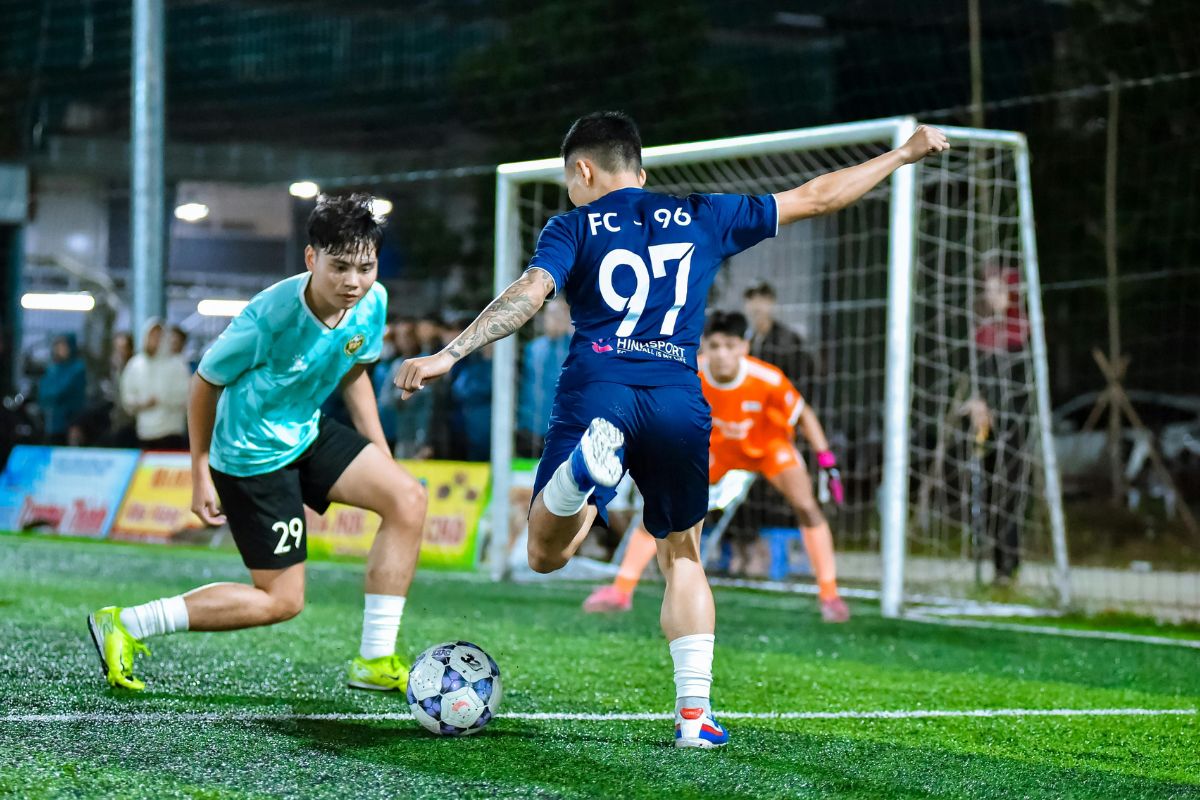
The modern football landscape is defined by the relentless pace of the transfer market. Every window, clubs across Europe undergo significant transformations, bringing in fresh talent to reshape their competitive identity. While fans often focus on the excitement of marquee signings, the true impact of these moves lies in how they fundamentally shift team dynamics, tactical setups, and long-term strategic goals.
Integrating new players is rarely a plug-and-play process. Managers must balance the chemistry of existing squads with the technical demands of newcomers, often requiring a complete tactical overhaul. Understanding how these high-profile transfers influence team performance is crucial for any fan looking to analyze the game beyond the surface level. We will examine how shifting personnel forces coaches to rethink their systems and how team cohesion can fluctuate during these transition periods.
Sommaire
Tactical Reconfiguration and System Adaptation
When a club executes a major transfer, it is rarely just about adding a player to an existing position. Instead, it often requires the manager to redesign the team’s tactical framework to maximize the new arrival’s unique skill set. If a team signs a world-class playmaker who thrives in tight spaces, the manager may be forced to switch from a rigid 4-4-2 to a more fluid 4-3-3. This structural change influences how the entire squad moves in possession, requiring players to adapt to new zones and responsibilities on the pitch.
Furthermore, tactical shifts following a big transfer often lead to a ripple effect throughout the entire roster. A new central defender who likes to carry the ball forward can change how the full-backs position themselves, pushing them higher up the pitch to provide more width. This cascading effect highlights why tactical patience is essential; a system cannot be perfected overnight. The most successful teams are those that maintain a core philosophy while allowing their transfer strategy to introduce new layers of sophistication.
For further information, see Financial Implications of Major Football Transfers in the Market.
The Challenge of Defensive Solidity
Integrating new defensive personnel is notoriously difficult because it relies heavily on communication and spatial awareness. When a new center-back or goalkeeper arrives, the backline must re-establish its understanding of offside traps and marking assignments. These adjustments often lead to a short-term drop in defensive stability until the new hierarchy is fully established.
Psychological Impact on Squad Chemistry
The locker room is a delicate ecosystem where trust and familiarity are the foundations of success. The arrival of a superstar or a high-value transfer can disrupt this equilibrium, creating new power dynamics that must be managed by the coaching staff. Players who were previously starters might find themselves in rotation roles, which can impact morale and collective motivation if not addressed with transparency and clear communication by the leadership team.
However, quality signings also bring a healthy level of competition that can drive the entire squad to higher performance levels. When an elite player joins a training ground, it sets a new standard for intensity and work ethic. Established squad members often push themselves harder to retain their positions, leading to an overall increase in the quality of training sessions. The key to navigating this transition is effective locker room management, where the manager ensures that competitive tension remains productive rather than divisive.
Quantitative Analysis of Transfer Integration
Understanding the impact of transfers requires a look at how different types of signings affect squad utility and efficiency. Clubs must weigh the benefits of immediate impact against long-term squad health, often balancing experienced veterans with younger prospects. The table below outlines how various types of transfer moves typically affect a team’s strategic direction and short-term performance.
| Transfer Type | Immediate Impact | Strategic Goal | Integration Difficulty |
|---|---|---|---|
| Marquee Signing | High | Winning Trophies | High (Ego/System) |
| Depth/Rotation | Moderate | Squad Management | Low |
| Young Talent | Low to Moderate | Future Development | Medium (Training) |
| Replacement | High | Maintaining Consistency | High (Pressure) |
The Role of Leadership During Transition
The success of any new transfer heavily depends on how effectively the club’s leadership, including the captain and senior players, facilitates the adaptation process. A strong internal culture can significantly shorten the time it takes for a new player to feel at home and perform at their peak. Senior players who act as mentors help bridge the gap between the manager’s tactical requirements and the reality on the training field, creating a smoother transition for the team.
Ultimately, a transfer is not just an individual move; it is a collective event that redefines the club’s narrative for the season. Whether it results in immediate silverware or a slow rebuilding phase, the integration of new blood is what keeps the sport dynamic and unpredictable. By observing how players adapt, we gain a clearer understanding of the hidden work that powers the most successful clubs in the world.
Tracking these shifts provides profound insight into the health and ambition of your favorite teams. Stay informed about upcoming tactical developments by following our deep-dive analyses on team management and transfer market strategies. Explore our latest articles to sharpen your perspective on the complex world of professional football operations.