
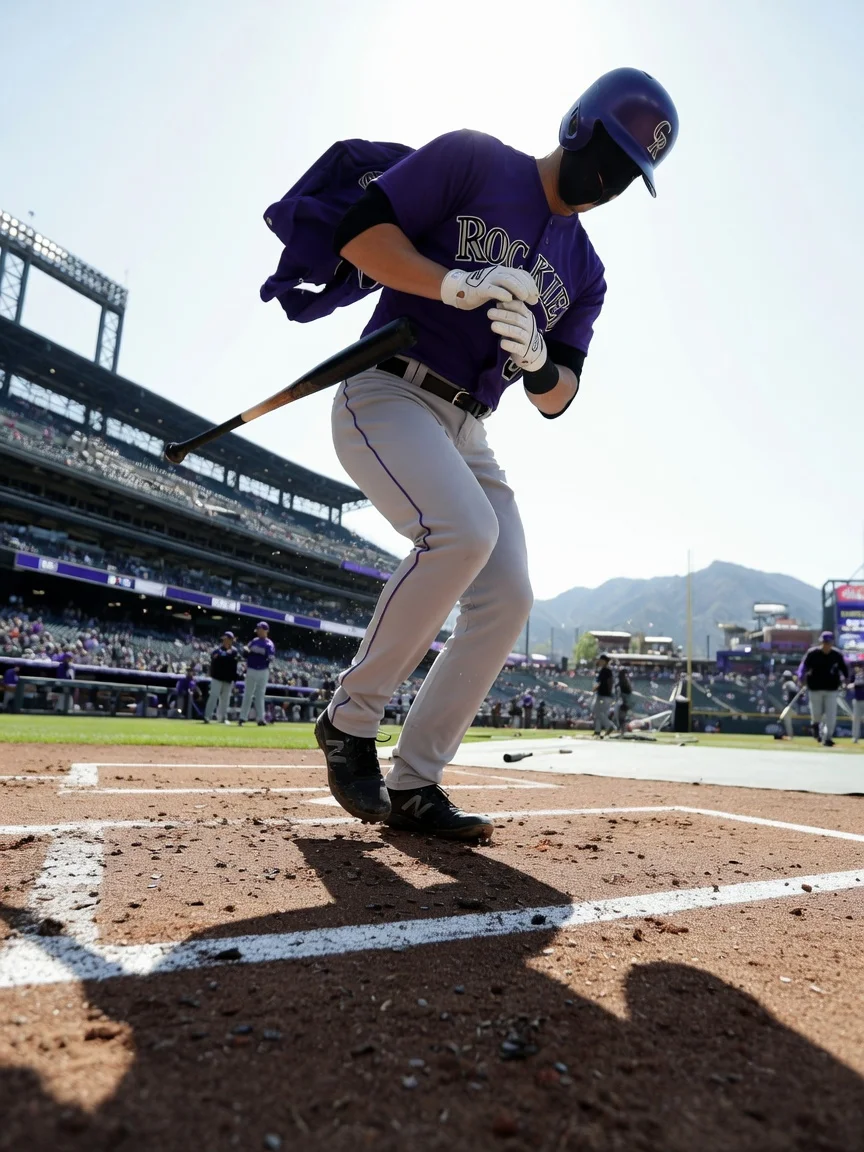
A 5.94 ERA defines the Colorado Rockies’ starting rotation in 2026, dead last in Major League Baseball and a glaring 26 percent worse than league average, even after accounting for the unique challenges of Coors Field. That number has forced the franchise into decisive roster moves with business implications that stretch well beyond the mound.
Sullivan’s MLB Debut: Contract Selection and Roster Math
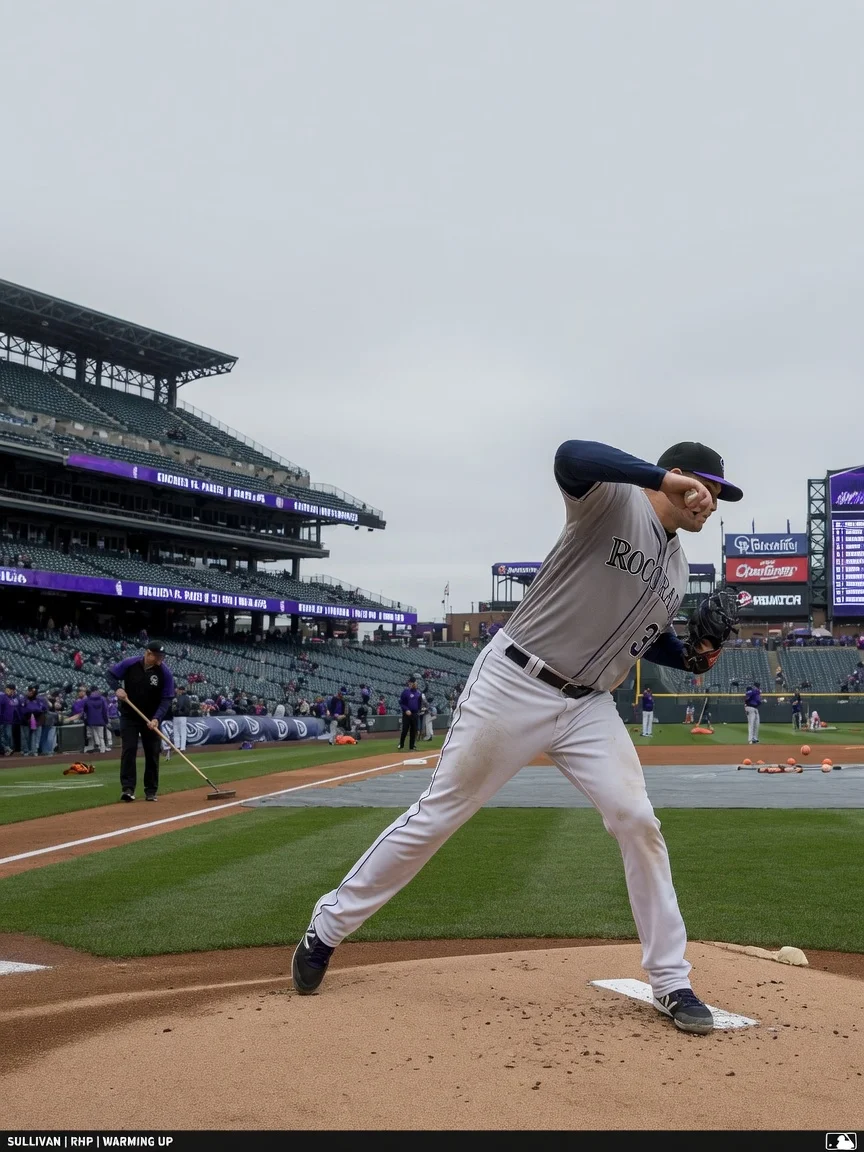
Sean Sullivan, the Rockies’ second-round pick from the 2023 draft and the club’s No. 11 prospect per MLB.com, is headed to the majors. At 23, the left-hander posted a 2.94 ERA in 104 innings across Single-A and Double-A last season, but has struggled in Triple-A with a 5.60 ERA over 11 starts in 2026. His four-seamer averages just 89 mph, but his command stands out: Sullivan walked only 6.0 percent of batters in the minors last year and 7.7 percent this season at Triple-A.
To make room, the Rockies had to juggle both roster and payroll. With the 40-man roster full, right-hander Chase Dollander, the ninth overall pick in 2023, was shifted to the 60-day injured list. Lefty Sammy Peralta was optioned to Triple-A to clear an active roster spot.
Sullivan’s call-up does more than open a path for his major league debut. It starts his MLB service clock and triggers his first year at the league-minimum salary. That timing now factors into Colorado’s payroll planning, as Sullivan’s status will shape future arbitration projections and long-term cost control.
Dollander’s Surgery and Long-Term Financial Implications
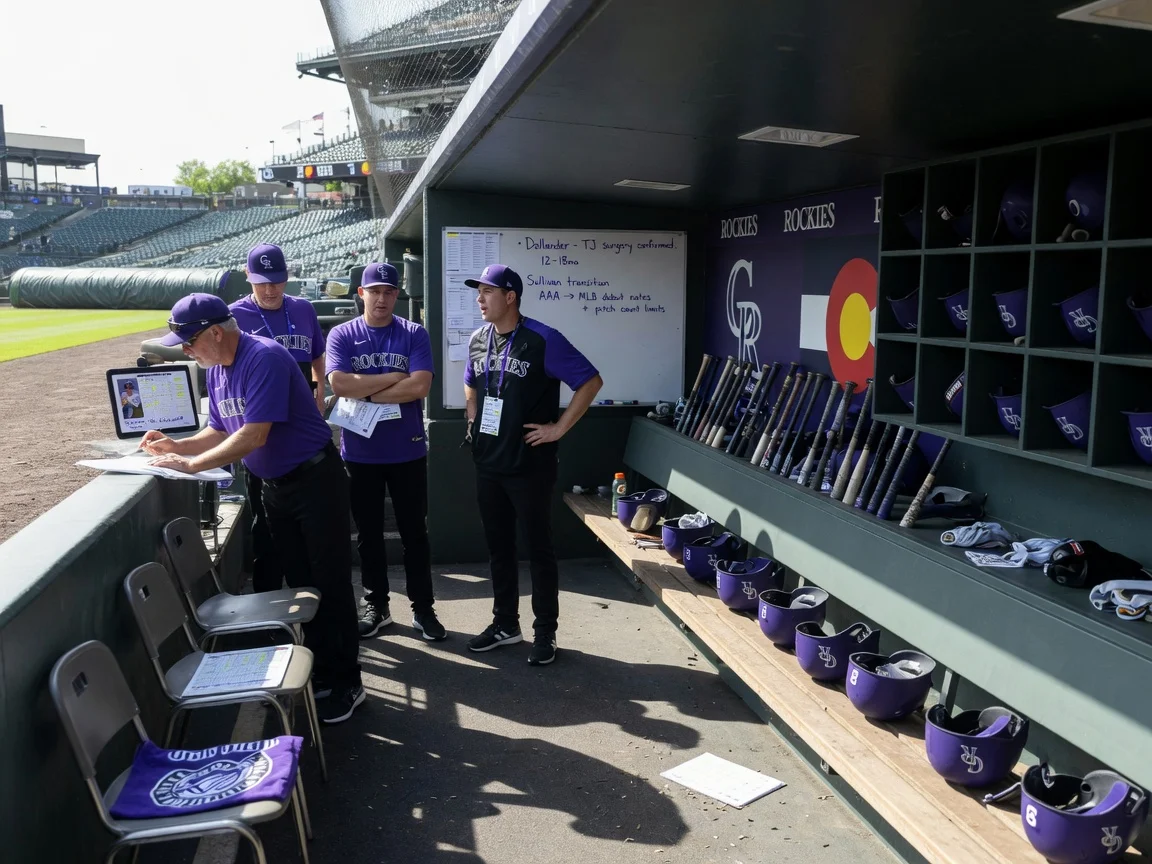
Dollander’s move to the 60-day IL isn’t just a paperwork shuffle. The club expects the right-hander to undergo surgery to repair UCL damage in his elbow. Surgery plans aren’t finalized, but an internal brace operation would sideline Dollander for 12 to 14 months, while Tommy John reconstruction could wipe out his entire 2027 season. Before the injury. Dollander posted a 3.89 ERA with a 25 percent strikeout rate over 44 innings. He remains the organization’s highest-ceiling arm and is under club control for six more seasons.
The financial fallout is immediate and far-reaching:
- Dollander will continue to collect a major league salary and accrue service time while on the injured list, impacting payroll and future arbitration calculations.
- Colorado must keep Dollander on the 40-man roster through the offseason, restricting flexibility for other transactions unless he’s again placed on the 60-day IL when spring camp opens.
- With Dollander potentially out through 2027, the Rockies may need to rethink their approach to free agent pitching or internal development, as the rotation’s struggles remain a glaring weakness.
Here’s how the rotation stacks up:
| Starter | 2026 Innings | ERA | xERA |
|---|---|---|---|
| Tomoyuki Sugano | 68 1/3 | 4.08 | 7.39 |
| Michael Lorenzen | 50+ | >7.50 | , |
| Kyle Freeland | 50+ | >7.50 | , |
| Sean Sullivan | N/A (MLB) | N/A | N/A |
| Chase Dollander | 44 | 3.89 | , |
No Rockies starter has thrown enough innings to qualify for the ERA title. That lack of stability and reliability is glaring. Sugano’s 4.08 ERA masks a troubling 7.39 expected ERA (xERA), pointing to looming regression. Lorenzen and Freeland have both posted ERAs north of 7.50 across at least 50 innings.
Rotation instability is driving urgent promotions and payroll inefficiencies. The club is paying guaranteed salaries to injured or underperforming arms while also starting the service clocks of prospects like Sullivan.
Tonight. Sullivan debuts at Las Vegas Ballpark, a hitter’s haven that will test the Rockies’ pitching depth even further. If he locks down a rotation spot, his performance and contract trajectory will be scrutinized by a front office desperate to contain costs as the team stares down a fourth straight 100-loss season.
Dollander’s case is a study in risk management for a rebuilding franchise. His recovery, service time accrual, and future arbitration case will shape Colorado’s financial strategy into 2027 and beyond.