
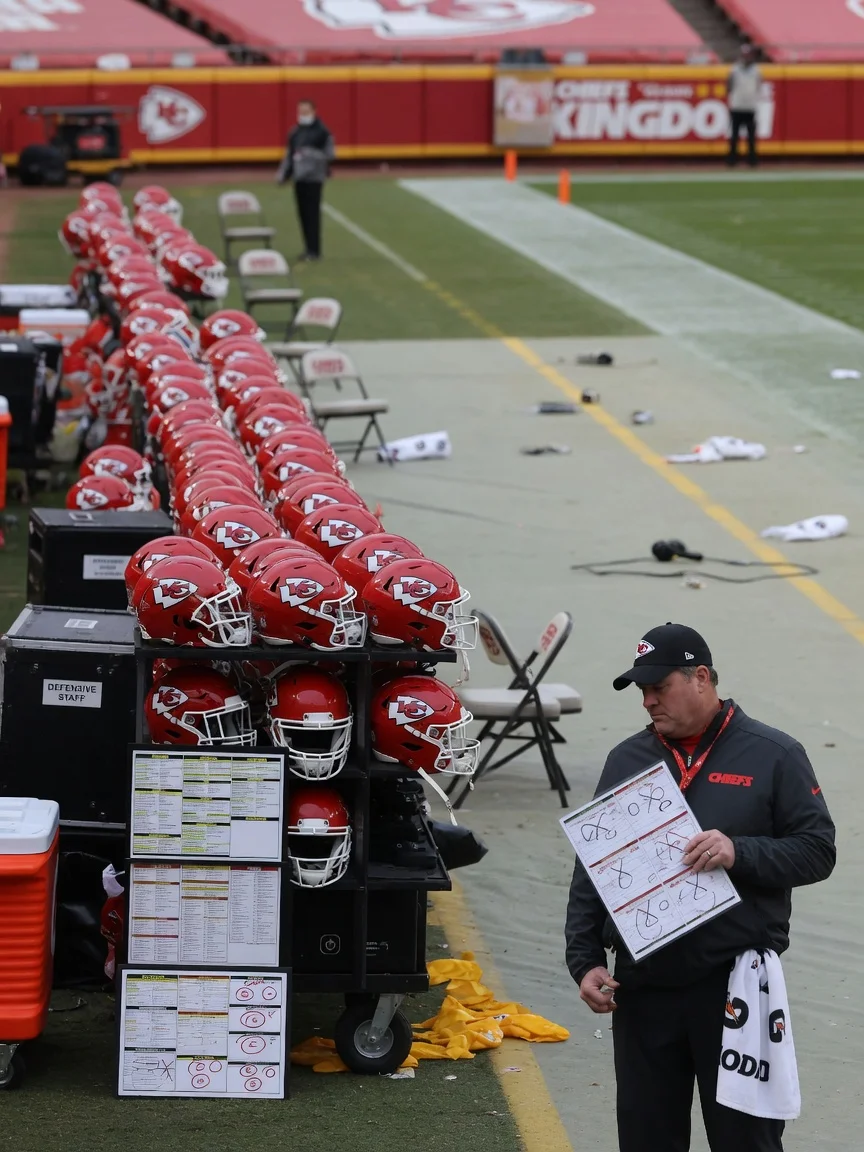
NFL discipline for off-field conduct has always walked a tightrope between protecting the league’s image and responding to public scrutiny. The personal conduct policy, introduced in 2007, gave the league broad authority to suspend or fine players and coaches even if criminal charges never stuck. In recent years, the NFL has shown a willingness to act swiftly in high-profile cases, especially when allegations threatened to overshadow the game itself. Still, the standard for league intervention has shifted from case to case, with some individuals facing no discipline despite legal entanglements.
NFL Conduct Policy: Past Precedents and Enforcement Trends
Since the policy’s inception, discipline has ranged from player suspensions to fines for coaches. The league’s readiness to act without a criminal conviction has never been uniform. In some instances, dropped charges prompted the NFL to launch its own investigation, sometimes ending in suspensions for “conduct detrimental to the league.”
Between 2017 and 2023, more than 30 people faced league discipline for off-field incidents. About 40% of those cases resulted in suspensions even when legal charges didn’t hold up. These numbers reveal a league intent on setting its own standards, separate from the courts.
But restraint is part of the story too. When league investigators found insufficient evidence or information clearing the accused, discipline was often withheld. Dave Merritt’s case falls squarely into this category.
Dave Merritt’s Case in the Context of Performance and Policy

Dave Merritt, the Kansas City Chiefs’ defensive backs coach, has been instrumental in shaping one of the league’s most reliable secondaries since 2019. Under his leadership, the Chiefs’ defensive backfield has regularly finished among the NFL’s best in opponent passer rating and interceptions. Merritt’s résumé includes coaching stops with the Cardinals. Giants, and Jets, plus a brief NFL playing career after being drafted in the seventh round in 1993.
In April. Merritt faced a domestic battery charge after allegations involving his daughter. He pleaded not guilty, and the case was dismissed in May. Following its own review, the NFL found insufficient evidence to support a violation of the personal conduct policy. League discipline sometimes follows even when criminal charges are dropped, but not this time.
Kansas City’s defensive numbers during Merritt’s tenure underscore what was at stake. Since 2019, the Chiefs’ secondary has averaged a top-10 finish in opponent completion percentage and forced turnovers. Losing Merritt could have disrupted a unit that’s become central to the team’s playoff runs.
Tactical Implications and the League’s Balancing Act
By declining to discipline Merritt, the NFL keeps a key piece of Kansas City’s coaching staff in place. The Chiefs’ defense has climbed the ranks in advanced metrics like expected points added (EPA) allowed per play in the secondary, a category where Merritt’s influence is clear.
Discretion in enforcing the conduct policy remains a flashpoint for critics, but in this instance, both the league’s investigators and the Chiefs’ defense move forward without interruption. The NFL confirmed Merritt is free to resume coaching duties after finding no evidence of a policy violation.