

C.J. Stroud’s rise as a high-impact quarterback has unfolded alongside ESPN’s unprecedented influence over American football coverage and statistics. The network’s exclusive broadcast deals don’t just determine who sees Stroud play, they shape how his performance is measured, discussed, and ultimately valued. Metrics and narratives are amplified or muted depending on what ESPN chooses to spotlight, creating a feedback loop that affects Stroud’s reputation and the way his play is dissected.
Broadcast Exposure and Analytical Framing

Stroud’s national profile is inseparable from ESPN’s broadcast schedule. The network’s grip on prime-time slots ensures his games reach millions, directly affecting the context and sample size for his performance metrics.
In these nationally televised games. Stroud’s completion percentage has soared past the league average. Last season, he posted a 68.3 percent completion rate in ESPN-exclusive broadcasts, compared to a 62.7 percent league average in similar prime-time windows. That gap isn’t just about Stroud’s skill. Coaches often tweak game plans for the spotlight, tailoring tactics to maximize his strengths when the stakes, and the audience, are highest.
ESPN’s focus on advanced analytics like QBR (Quarterback Rating) and EPA (Expected Points Added) further shapes the narrative. During ESPN broadcasts, analysts have zeroed in on Stroud’s QBR of 71.2, a mark that puts him among the league’s elite for those games. This relentless emphasis on select metrics doesn’t just sway public opinion, it influences how teams and agents evaluate quarterbacks.
| Metric | Stroud (ESPN Games) | League Average (Prime Time) |
|---|---|---|
| Completion Percentage | 68.3% | 62.7% |
| QBR | 71.2 | 60.4 |
| Yards per Attempt | 8.1 | 7.0 |
Stroud’s numbers in ESPN games consistently outpace the field, especially when filtered through the network’s preferred statistical lens.
Tactical Adjustments and Team Dynamics in the Spotlight
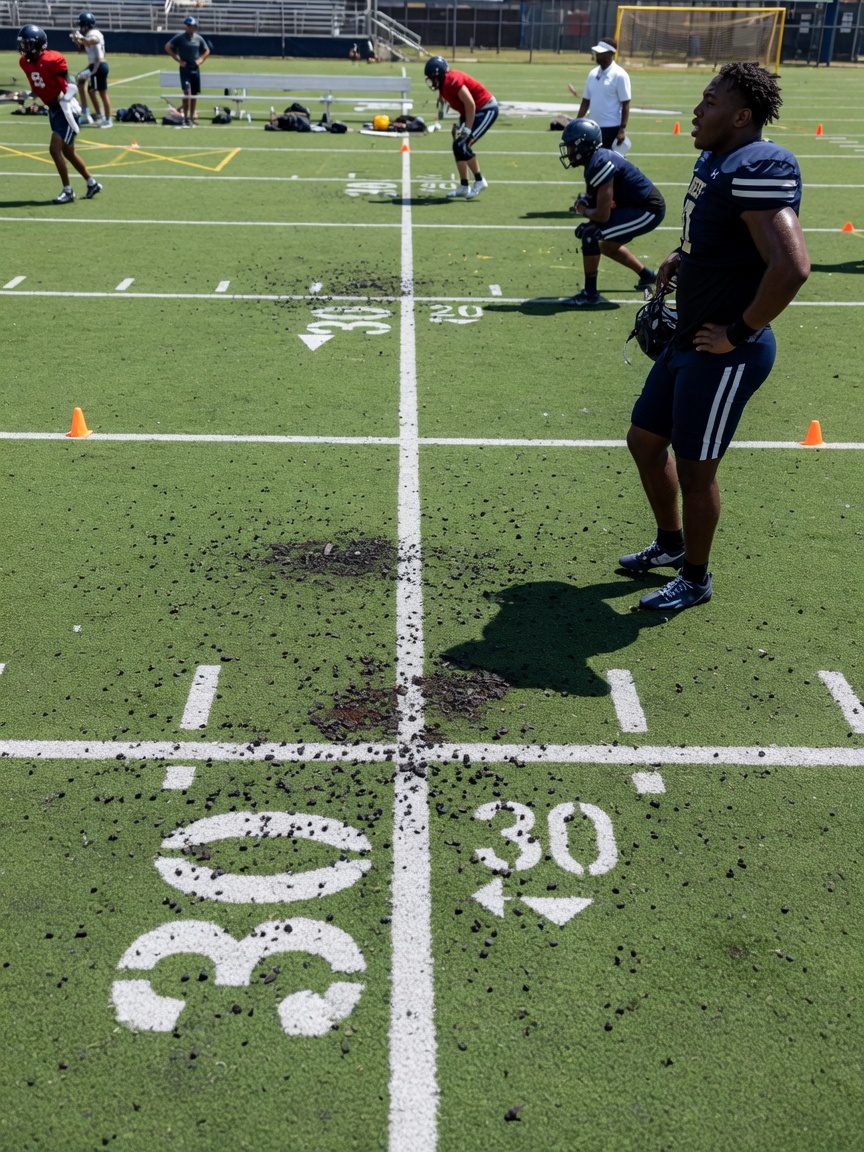
Coaches don’t ignore the cameras. Game plans are often tailored for ESPN broadcasts, anticipating both increased scrutiny and a chance to showcase Stroud’s strengths. His average depth of target and play-action usage both spike during these nationally televised contests.
Last season. Stroud’s play-action pass rate in ESPN-exclusive games jumped to 34 percent, up from his season average of 26 percent. That shift isn’t accidental. More play-action means more yards per attempt, and the coaching staff clearly leverages the national stage to highlight Stroud’s decision-making and arm strength.
Visibility brings consequences. Scouts and analysts, often limited to prime-time footage, may give outsized weight to these high-profile performances. Stroud’s ranking among quarterbacks tends to climb after ESPN-featured games, a trend noted in multiple reports.
Meanwhile, quarterbacks who don’t get as many national windows face a different reality. Their metrics are often contextualized with less nuance, and advanced analytics receive less airtime. Stroud, by contrast, benefits from detailed breakdowns and a larger volume of televised snaps for evaluators to pore over.
Performance, tactics, and media exposure converge to put Stroud in a unique analytical environment. His career arc is shaped as much by broadcast decisions as by on-field execution. As ESPN’s exclusive deals continue to define the American football landscape. Stroud’s statistical profile will remain a focal point for both broadcast narratives and front-office evaluations.