
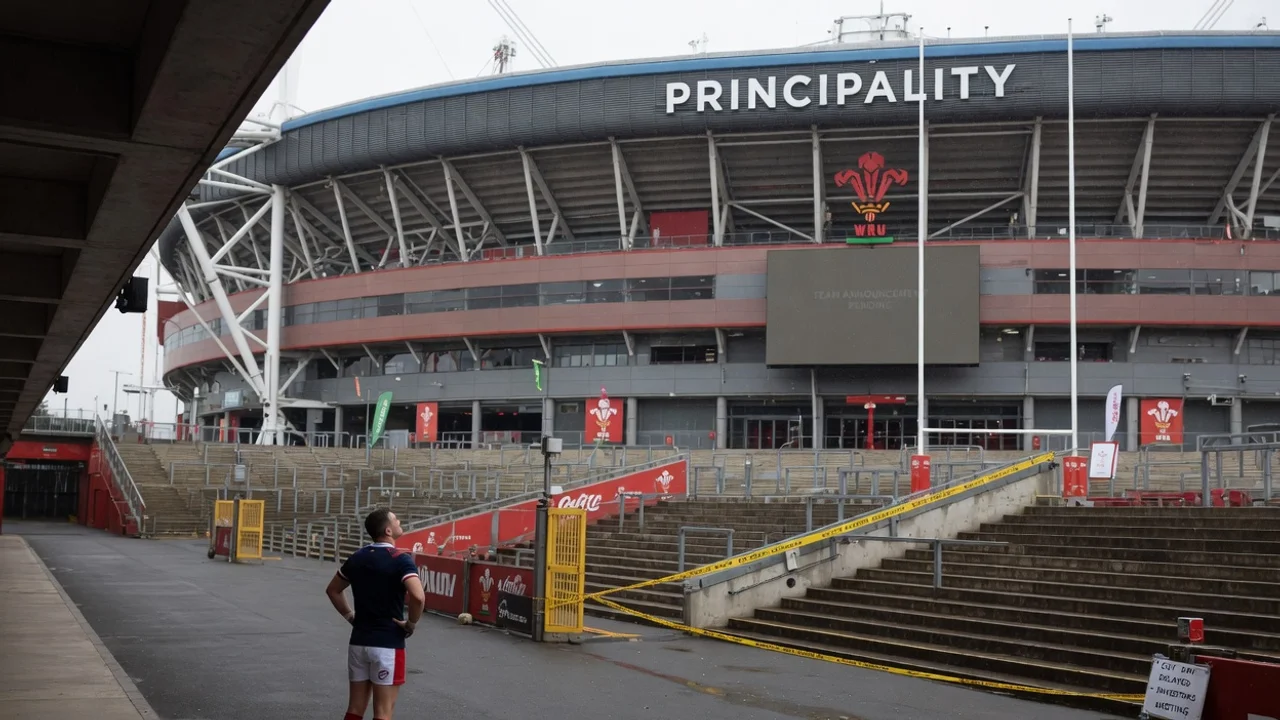
The Welsh Rugby Union has pushed back its decision on cutting a men’s professional region, abandoning its June deadline in favor of an announcement “in the coming weeks.”
Scarlets. Ospreys. Dragons, and Cardiff remain in the dark. Uncertainty clouds every aspect of their planning, from tactical blueprints to positional depth charts for the 2028 season. The delay coincides with the WRU’s ongoing search for a new chair, a position expected to be filled before November’s annual general meeting.
Formation Uncertainty Complicates Regional Planning
No decision means no clarity. All four regions are stuck in tactical limbo, unable to map out long-term strategies for squad building, player retention, or system evolution. First XV selection hangs in the balance, but so does the development of pressing strategies, defensive structures, and multi-phase attacking patterns.
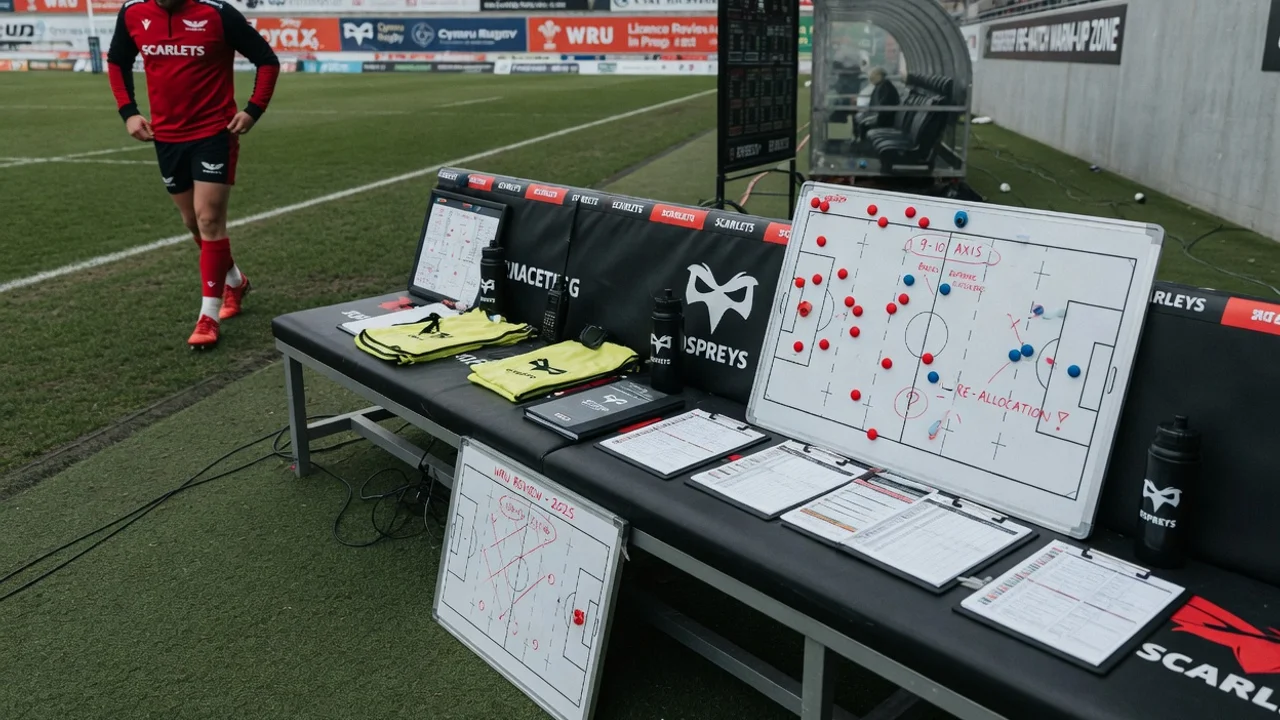
Ospreys and Scarlets, both under threat, are locked in a tense contest for the single west Wales licence. The rivalry now stretches beyond the field, shaping transfer policy and the cultivation of specialist roles within each squad. Directors of rugby must now craft tactical identities that might sway WRU decision-makers, even as they prepare for United Rugby Championship campaigns.
A shift to a three-team model would force a dramatic redistribution of key positional talent, upending the balance of power in the URC and European competitions. Backrow depth, front-row rotation, and half-back pairings could all be reshuffled. With the WRU holding all four licences, the power to reallocate contracts and dictate regional playing philosophies sits squarely with the governing body.
John Manders, now interim vice-chair and chairing board meetings, confirmed, “next steps, including more detail on how and when changes will be made in advance of the 2028 season, will be outlined in the coming weeks.” Until then, coaching staffs are left to adapt on the fly, unable to finalize pre-season structures or embed pressing systems without knowing what their squads will look like.
For a closer look at how in-game adjustments and late surges have shaped Six Nations results, see the current tactical trends in the northern hemisphere.
Licence Allocation Could Trigger Positional Realignment
The WRU’s October 2025 proposal outlined a three-licence model: one in Cardiff, one in the east, and one in the west. If the regions can’t reach consensus, a tender process is reportedly on the table to determine which clubs keep their licences. That possibility has sparked tactical lobbying, with regions highlighting their playing styles, academy output, or defensive efficiency in a bid for survival.
If Ospreys or Scarlets are cut, player deployment will shift overnight. Hybrid players who can cover multiple formations could become prized assets, as teams scramble to consolidate depth and versatility. Positional specialists, especially in the tight five or creative midfield, may find themselves in demand as the survivors retool for a condensed domestic calendar.
Bringing in executive search firm Gatenby Sanderson to oversee the chair appointment signals a methodical approach at the top, but offers little reassurance for head coaches preparing for the next URC cycle. With outgoing chair Richard Collier-Keywood set to depart, the leadership vacuum only deepens the uncertainty in technical departments across the regions.
If no deal is struck between the WRU and its professional teams, the tender process remains a live option. The battleground could shift from the pitch to the boardroom, as regions fight to prove their strategic value to Welsh rugby’s future.
Summer drags on, and the WRU’s decision still hangs over every tactical meeting and training session. Coaching staffs must balance short-term flexibility with the need for long-term system stability, knowing that the fate of entire regional identities could turn on a single announcement.