
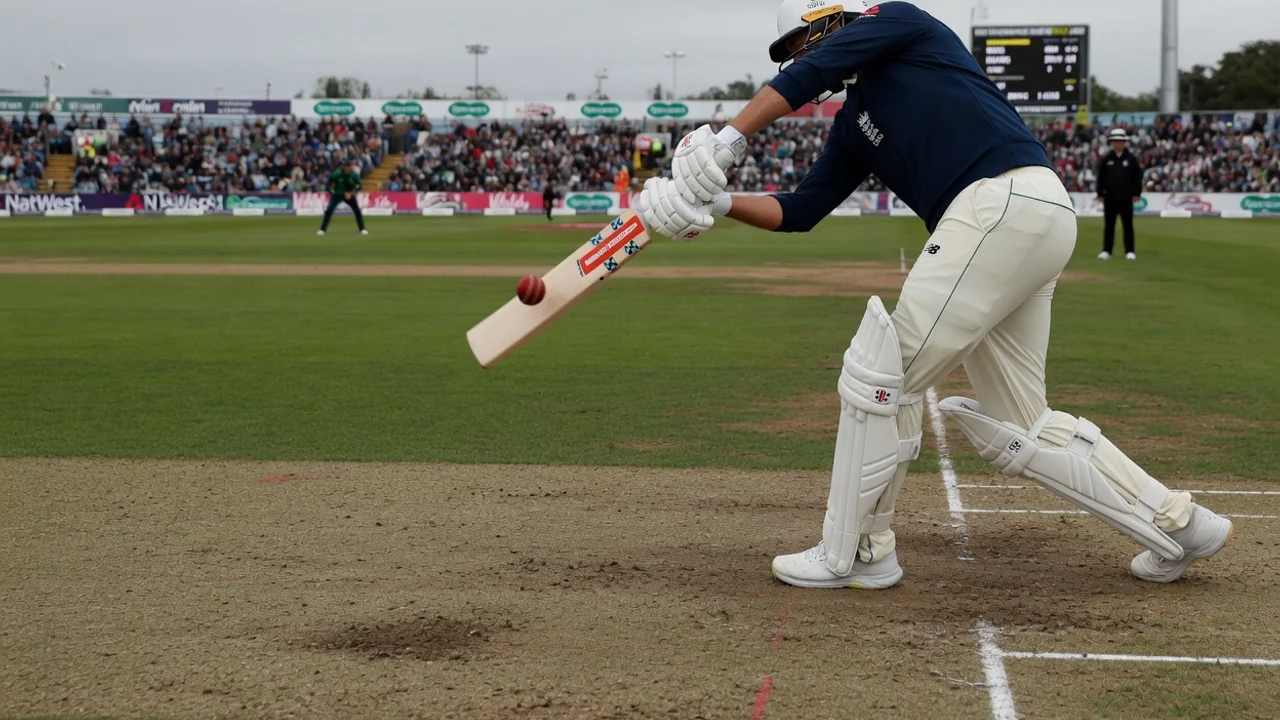
England supporters remember their team in cycles of hope, heartbreak and heroism. Headingley 2019, when Ben Stokes produced his miracle, still echoes around the terraces. That era belonged to an all-rounder’s wild ride. Now Joe Root has returned, carrying the weight of English batting tradition on his shoulders.
Root’s return as captain offers a second chance at a story that felt unfinished. He is England’s most prolific Test batter and the figurehead of a side looking for direction after another turbulent spell. Whether Root can catch Sachin Tendulkar’s hallowed run tally is about more than arithmetic. English supporters have long chased greatness while wondering whether the best is still ahead.
Root’s Second Act: A Captain’s Legacy on the Line
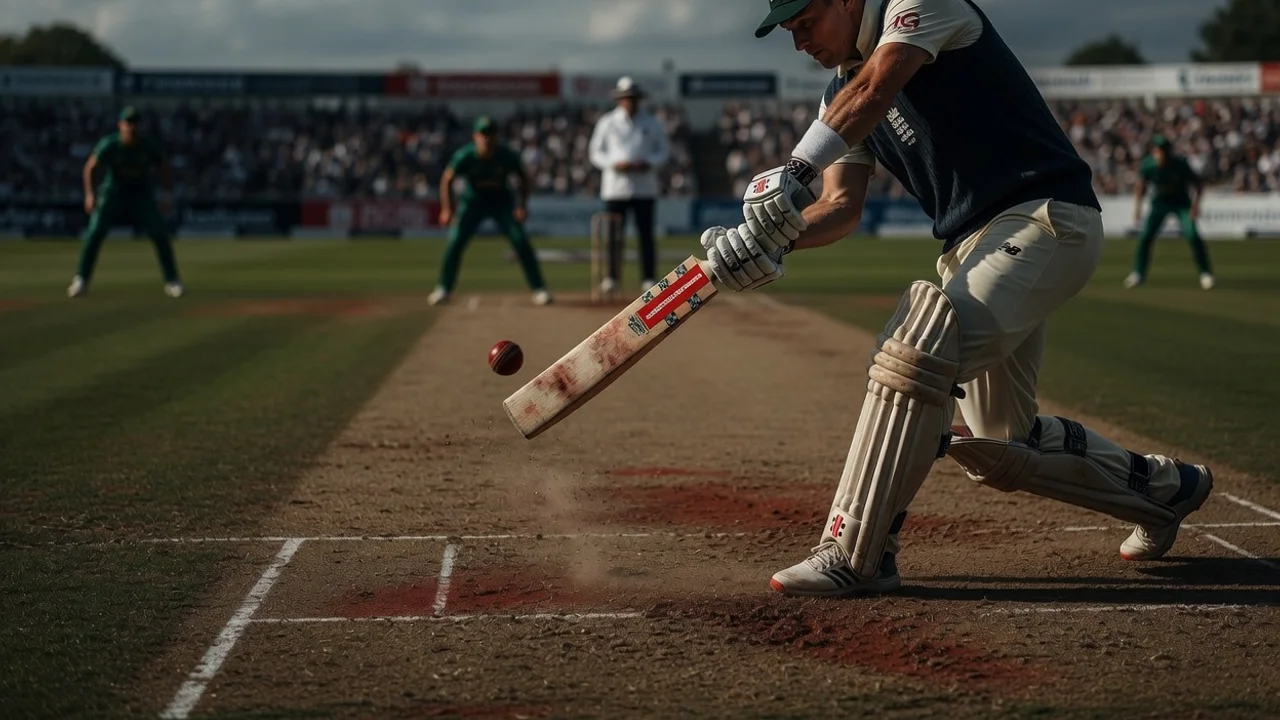
Root’s captaincy record divides modern English cricket. He holds the record for most wins by an England Test captain in his first spell: 26 victories from his first 47 matches, a win rate of 55%. That is higher than Michael Vaughan (51%) and just behind Mike Brearley (58%). Stokes, whose reputation grew with every swashbuckling innings, finished his own run at the helm with a 54% success rate.
The scars of Root’s first tenure remain raw. His reign ended with just one win in his final 17 Tests. Stokes stepped in amid hopes of a new dawn, but England’s results faltered again. Root now returns to a side still searching for answers after Stokes’ exit, with Brendon McCullum sacked and Stephen Fleming not yet in post.
Can Root finish the job he started?
The Yorkshireman has returned to captaincy on his home ground and spoken about regrets and the pull of a dream not quite fulfilled. Picking up the baton again brings comfort as well as risk. His previous captaincy left wounds, yet Root returns with the chance to turn experience into the legacy his talent deserves.
The Great Chase: Tendulkar’s Record and the Left-Handed Question
No English cricket argument burns hotter than Root’s pursuit of Sachin Tendulkar’s monumental Test run tally. Each Root innings is measured against the Little Master’s shadow. The chase has no easy answer, only the tension of watching a national hero move closer to history, run by precious run.
The left-handed batter is another enduring argument in commentary boxes and fan forums. Are left-handers really better? Recent data challenges the romance. In Test matches with available statistics, the conversion rate from two wickets in two balls to a hat-trick is only 3.2%, a reminder that cricket’s rarest moments do not depend on which hand holds the bat or ball.
Supporters have long celebrated the southpaw’s supposed natural flair and unfair advantage. The numbers do not always support that belief. Left-handed mystique remains part of cricket folklore, as emotionally charged as Root’s pursuit of Tendulkar. The argument sits between the data and the dreams of fans on the boundary.
Every Test, innings and selection decision now feeds England’s familiar story of legends, nearly-men, miracles and missed chances. Root’s return offers the possibility of old wounds healing and new legends emerging. England face Pakistan under interim boss Marcus Trescothick, while coaching uncertainty continues to hang over the side.
For Root, the next chapter begins with a captaincy record worth defending, a target set by Tendulkar, and an England team still looking for stability.