
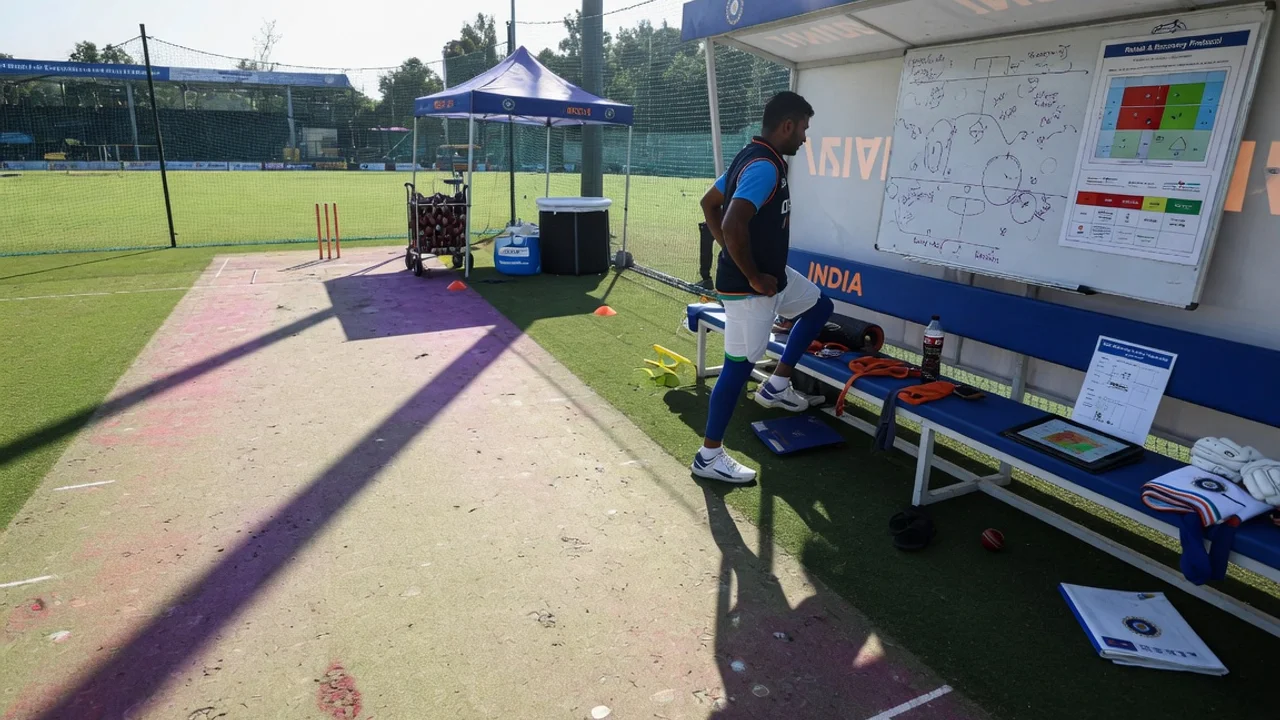
Player fitness and injury management have always tested India’s cricket administration, but the challenge has intensified in the wake of frequent changes atop the sports science department. When Nitin Patel resigned as BCCI’s Head of Sports Science & Medicine a year ago, he left a gaping hole at a moment when the Centre of Excellence (CoE) was already under the microscope. Without a permanent head in this crucial role, communication gaps, accountability concerns, and the financial headaches of injury-driven squad changes have only grown more pronounced.
Heightened Scrutiny and Protocols Amidst Injury Replacements
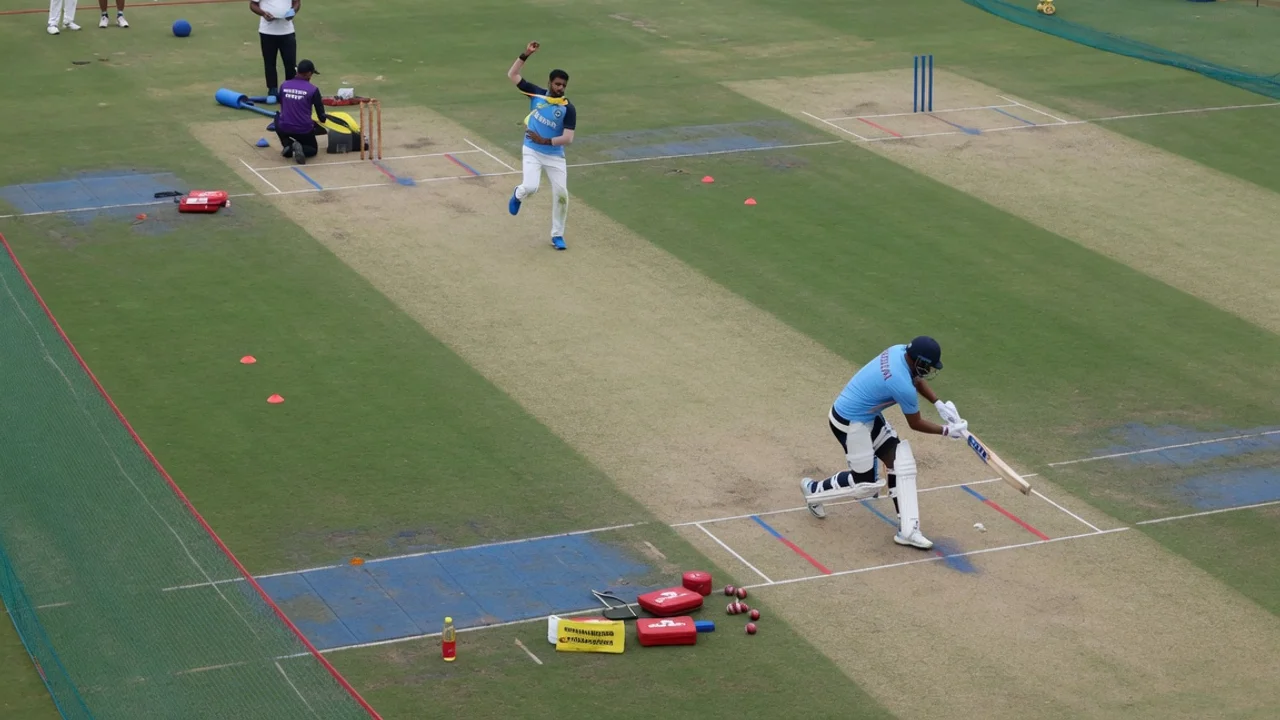
This summer, the financial strain of player injuries has become impossible to ignore as India prepares for a major Test series in Sri Lanka. Three first-choice players. Jasprit Bumrah, Sai Sudharsan, and Washington Sundar, are missing, forcing the team into a flurry of last-minute replacements. Each change brings its own set of contractual and logistical costs. Bumrah, still rehabilitating a left knee niggle aggravated during the T20 World Cup, and Sudharsan, recovering from a stress reaction in his right big toe, have both prompted late squad reshuffles.
Losing a marquee player like Bumrah, who commands a top-tier central contract, sends ripples through the entire setup. The BCCI must scramble to activate replacement protocols, often with little warning. That means extra travel, accommodation, and insurance expenses. Auqib Nabi has stepped in for Bumrah, while Sarfaraz Khan replaces Sudharsan. These aren’t just technical swaps, they’re financial transactions, dictated by player retainer tiers, match fees, and the fine print of BCCI injury cover.
A vacant Head of Sports Science & Medicine once threatened to derail these processes. Now, VVS Laxman, leading the CoE, says the communication framework has tightened. The selection committee chairperson requests fitness updates directly from the CoE, which then circulates reports to selectors, the head coach, and the BCCI. Decisions on the squad, Laxman insists, are now both timely and transparent.
Financial Management and the Player-Centric Approach
For the BCCI, injury management is as much about business as it is about cricket. The system aims to reduce risk, protect player value, and keep transfer and replacement costs in check. Laxman describes a model focused on both players and the team, with injured players’ progress tracked closely. If rehabilitation stalls, selectors and coaches are informed immediately, allowing for quick contractual moves and fewer last-minute surprises that could drive up expenses.
Operating without a full-time Head of Sports Science & Medicine, the BCCI has yet to find a permanent replacement for Nitin Patel. The ongoing vacancy raises the specter of miscommunication and threatens the financial efficiency of squad management. Laxman, though, calls the current setup "seamless," crediting structured reporting lines and the centralisation of fitness data at the CoE.
Every decision, from injury assessment to player replacement, must balance player welfare with the commercial interests of Indian cricket. The Sri Lanka series will put this system to the test. Each squad change and fitness report will draw scrutiny from both financial controllers and team management.
With the search for a new Head of Sports Science & Medicine still underway, Laxman’s assurances on procedural clarity and communication face constant evaluation from stakeholders focused on both performance and cost efficiency.